
en

A machine arriving at a Tier-1 site without a document pack will stand at the gate, and the hire charge keeps running. The MEWP site approval process runs on six documents, plus a scissor lift site induction on arrival. Four of them are standard and can be prepared once for the whole fleet. Two are project specific and have to be written for the site before the machine arrives. The one that causes most refusals is the rescue plan, and it is the one customers most often leave until the morning of delivery.
| # | Document | Issued by | What the checker looks at |
|---|---|---|---|
| 1 | Thorough examination certificate | Third-party competent person | Date, machine serial, next examination due |
| 2 | Declaration of Conformity | Manufacturer | Standard cited, machine model, year |
| 3 | Operator competence record | Training body or employer | Category, expiry, photo ID match |
| 4 | Method statement and risk assessment | Employer | Task specific, signed, dated |
| 5 | Rescue plan | Employer | Named rescuer, equipment, response time |
| 6 | Insurance certificate | Insurer | Public liability limit, site address covered |
Items 1, 2, 3 and 6 belong to the machine and the operator. Prepare them once, keep them in the cab, and MEWP site approval becomes a formality on every site in the country. Items 4 and 5 belong to the project. They name the site, the task and the people, and a generic version will be rejected by any competent main contractor.
Every MEWP task carries a foreseeable failure: the platform stops at height, or the operator becomes unwell while elevated. The MEWP rescue plan answers one question — who gets that person down, with what, and how long does it take. A scissor lift makes this easier than a boom, because a second machine can be brought alongside and the person transferred across at the same level. That is also why the plan has to name the second machine, and why "call the fire service" is not a plan.
What a checker wants to see is four lines: the method (transfer at height from a second platform, or ground-level descent using the emergency lowering valve), the equipment (which machine, which rescue kit), the named people, and the maximum time to reach the casualty. If the plan says the fire service, the machine does not go in.
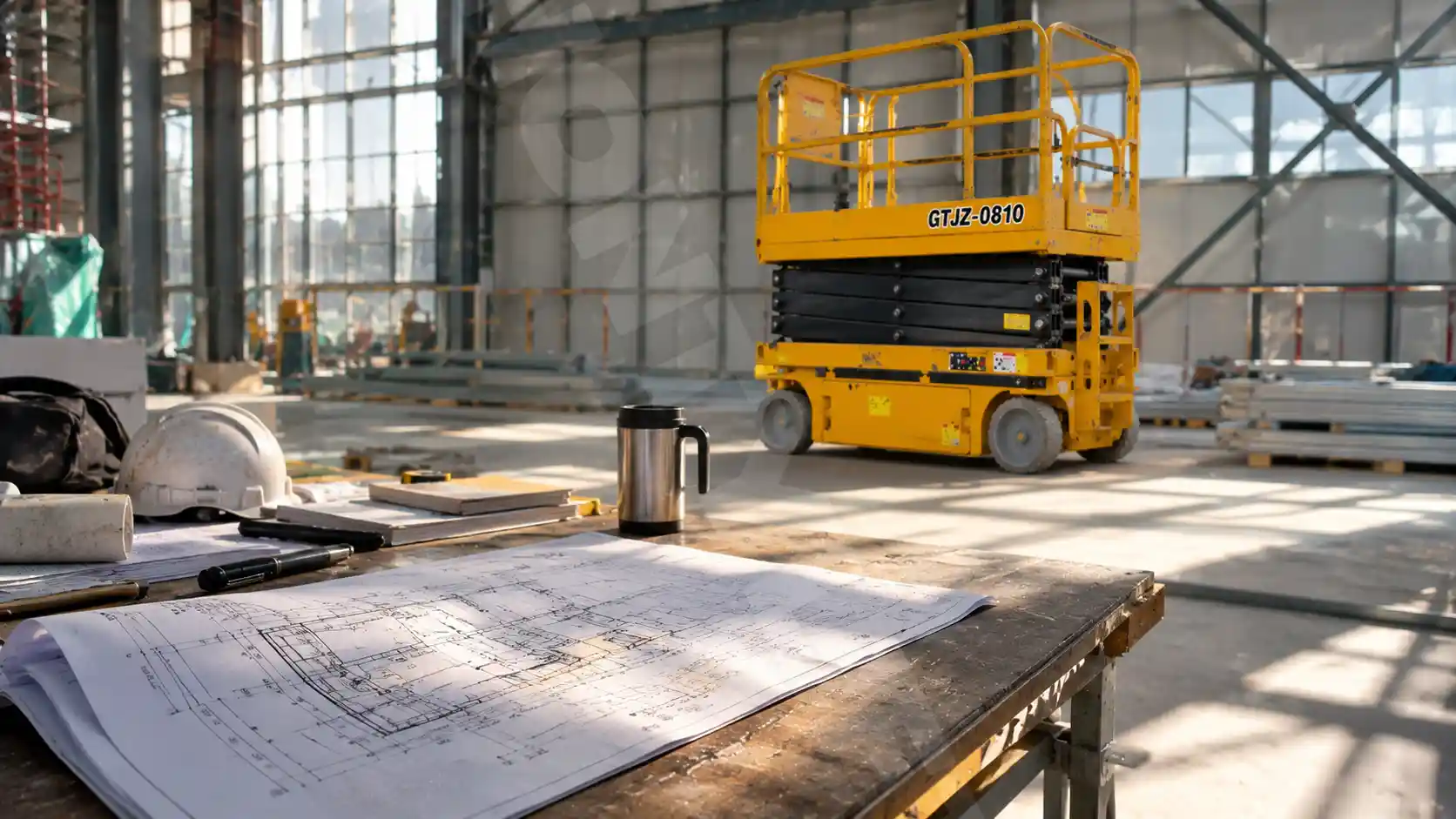
The pack that gets a machine through the gate. Four of these six documents are the same on every site; two are project specific.
Examination date, not purchase date. A thorough examination is valid for six months in some jurisdictions and twelve in others, and the scissor lift inspection certificate expires whether the machine has been used or not. A machine that sat in a yard for a year still needs re-examination before it goes on site.
Operator category. A card for a boom lift does not cover a scissor lift in most schemes, and vice versa. Sending a boom-certified operator with a scissor machine is the second most common refusal after the rescue plan.
Method statement specificity. "Erection of scissor lift and operation at height" is not a method statement. The version that passes names the work face, the maximum platform height for the task, the ground conditions assumed, and what happens if the ground changes.
Insurance scope. A fleet policy that covers the machine does not necessarily cover the operator working at height on a third party's site. Ask the insurer for the site-specific confirmation before the machine moves, not after.
We issue the Declaration of Conformity, the technical file reference and the factory test records with every machine. We do not issue the thorough examination certificate, because that has to come from a competent person in the country of use, independent of the manufacturer. Any supplier who offers to send you one has either misunderstood the requirement or is selling you a document that will not survive the gate check.
Certification and test documents are supplied for the destination market. Confirm the current certificate number, issuer and scope with the quotation before relying on any certification statement.
We send the technical file index with the machine, not just the DoC, because site checkers increasingly ask which standards the machine was designed to and want to see the clause list rather than a one-page certificate. It costs us a few pages per shipment and saves the customer a week of email. Ask for it with the quotation on the range page, or send the site access requirements through the contact form and we will tell you which items we can supply and which have to be produced locally.
Tell us the constraint you are stuck on — floor loading, doorway width, cold store, aisle width, charge window. We will tell you which model works, what it costs, and what we would refuse to sell you.
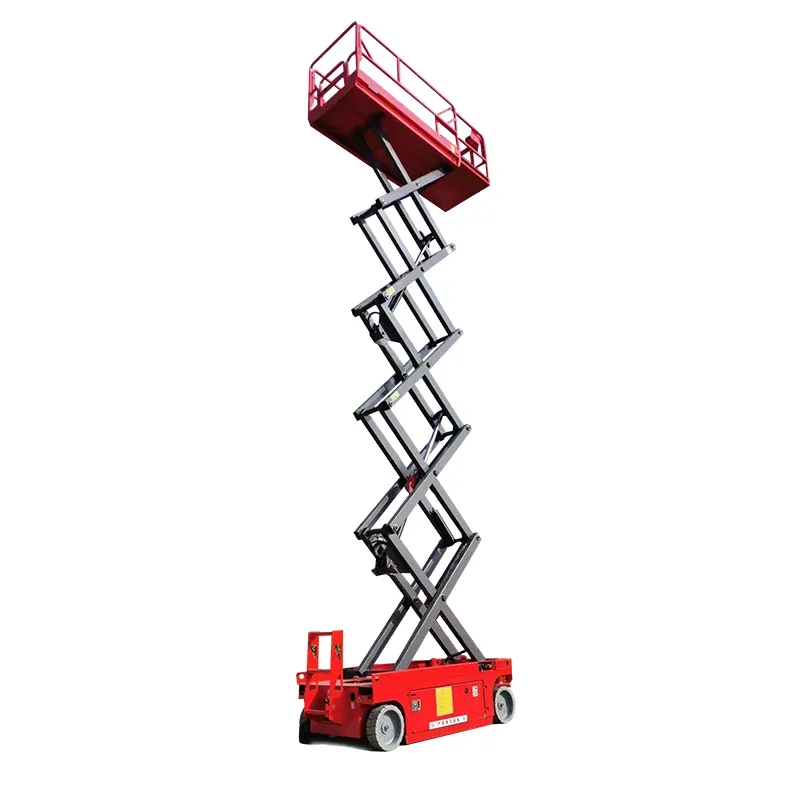 GTJZ-1012 32ft (9.8 m) Self-Propelled Scissor Lift — 320 kg