
en

Working out a scissor lift fleet mix starts with the enquiry list, not with a budget. For a 30-unit scissor lift rental fleet working a mixed urban market, the split that holds up is roughly 14 small units at 5.8 m, 9 at 7.8 m, 5 at 9.8 m and 2 at 11.8 m. That is not a rule from a market report. It is the shape that falls out when you sort your hire enquiries by the height actually requested and then correct for the fact that customers ask for more height than they need.
Ask a contractor what height they need and they will quote the ceiling, not the work. A 6 m ceiling becomes a request for a 6 m platform, when the task is installing a light fitting at 5.6 m and a 5.8 m platform machine finishes it comfortably. The over-ask is not dishonesty. It is caution, and it is rational for the individual job and ruinous for the fleet owner who buys to match it.
The correction is to reprice by the height that gets booked, not the height that gets asked for. In practice the booked height sits one band below the requested height in about a third of enquiries, once the customer has seen the machine and the price.
| Band | Model | Units in 30 | Typical hire | Turnover driver |
|---|---|---|---|---|
| 5.8 m | GTJZ-0608-M / GTJZD-0608 | 14 | Fit-out, retail, plant rooms, low warehouses | Highest — fits through an 800 mm door, goes up a goods lift |
| 7.8 m | GTJZ-0810 / GTJZ-0810-Z | 9 | Warehouse maintenance, mezzanine, most fit-out above 5 m | High — the default answer for "standard warehouse" |
| 9.8 m | GTJZ-1012 | 5 | High-bay racking, atrium, industrial maintenance | Medium — booked by task, not by habit |
| 11.8 m | GTJZ-1214 | 2 | Tall racking, plant, occasional facade | Low — long idle periods, high day rate |
The 5.8 m band carries nearly half the fleet because it does the widest range of jobs and it is the only band that can be moved in a van-sized trailer and taken up a passenger lift. That versatility, not the day rate, is what keeps it out on hire.
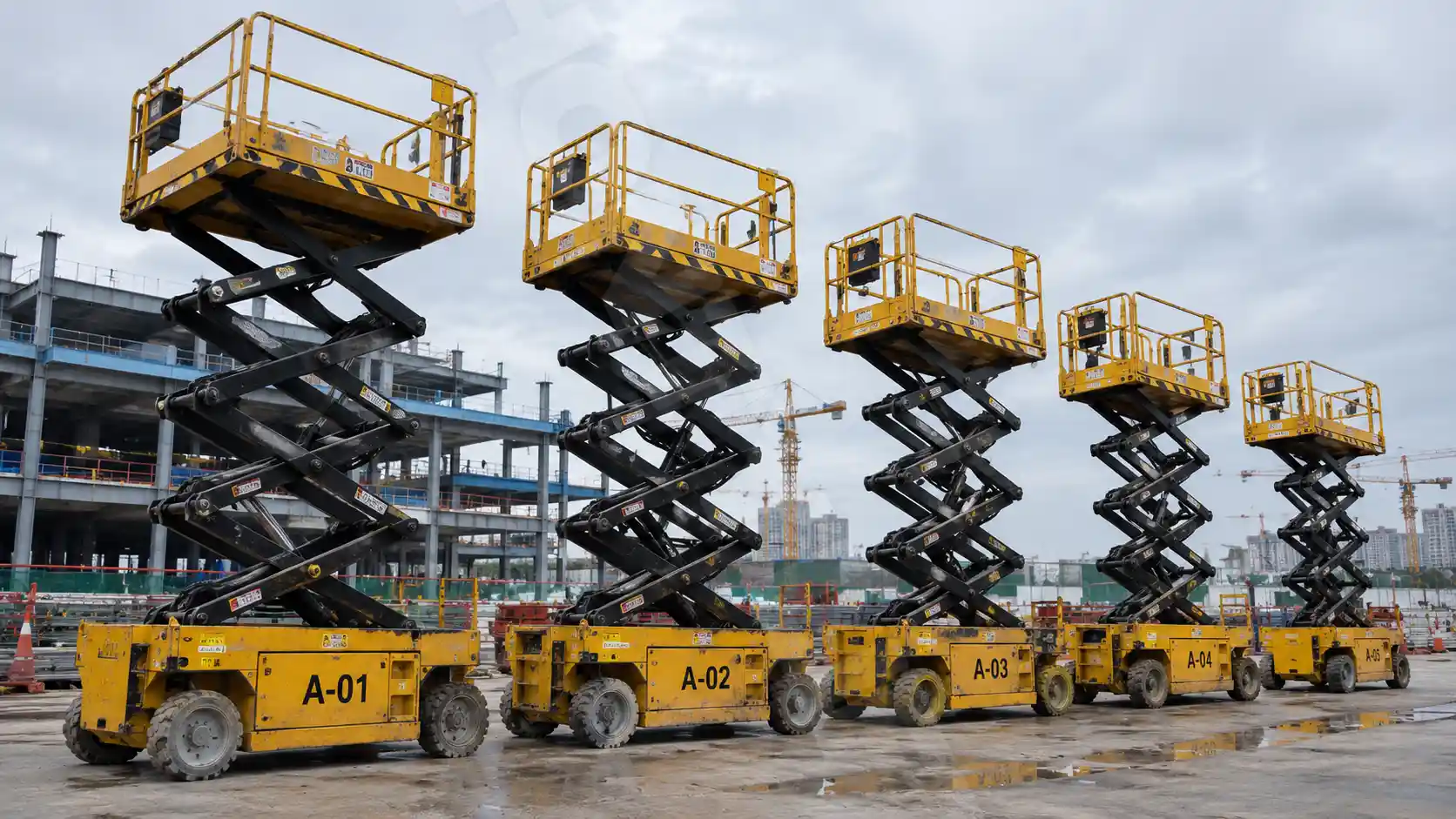
A yard that looks balanced usually is not. The tall machines take the space and earn the least per square metre.
An 11.8 m machine costs roughly twice a 5.8 m machine to buy, weighs 2,950 kg so it needs a bigger trailer and a stronger yard surface, occupies twice the parking area, and gets booked for the jobs nobody else can do. Those jobs are real, and they pay well per day, but there are few of them.
Two units in thirty is about right for a mixed market. Three is defensible if you have a customer base in high-bay warehousing. Four is a fleet that looks impressive in a photograph and sits still for a third of the year.
Rental fleet planning starts with the last twelve months of hire records, sorted by platform height, not by machine. Then apply three corrections:
When a customer orders a first container of ten units, we ask for their hire list rather than their budget. The list almost always shows a gap at 7.8 m — customers order small machines because they are cheap and tall machines because they are impressive, and skip the band that most warehouse work actually needs. The GTJZ-0810-Z exists for that gap: 7.8 m of platform in an 840 mm body, which covers the aisle work the 5.8 m unit cannot reach and the 9.8 m unit cannot enter.
Send your last year of hire records through the contact form and we will come back with a suggested scissor lift fleet mix and the model list that matches it. The full range, with platform heights from 5.8 m to 15.8 m, is on the range page.
Tell us the constraint you are stuck on — floor loading, doorway width, cold store, aisle width, charge window. We will tell you which model works, what it costs, and what we would refuse to sell you.
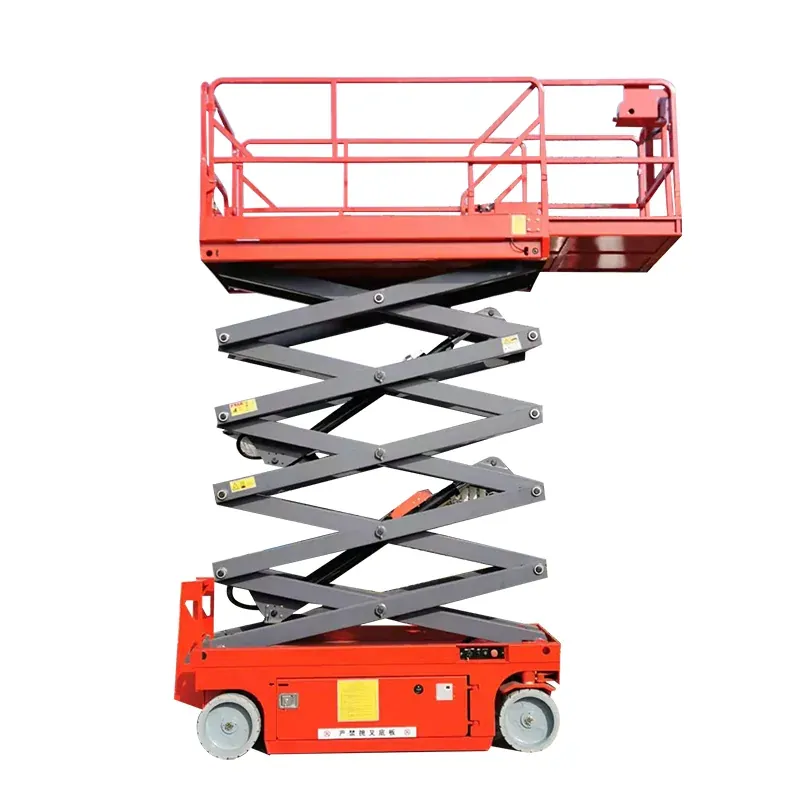 GTJZ-0810 26ft (7.8 m) Self-Propelled Scissor Lift — 450 kg
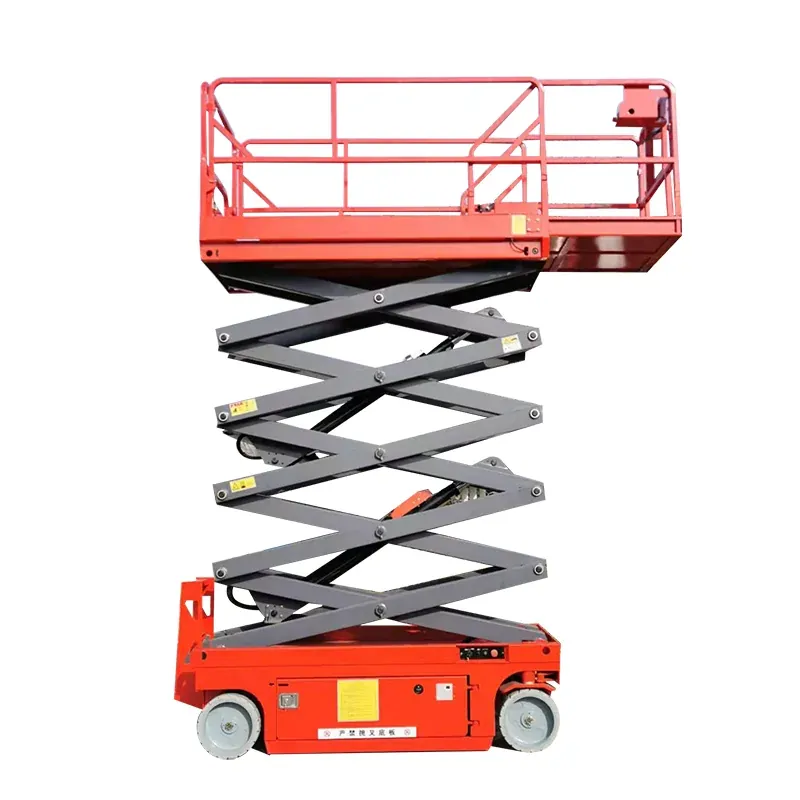 GTJZ-0810-Z Narrow 840 mm Scissor Lift — 26ft (7.8 m), 320 kg
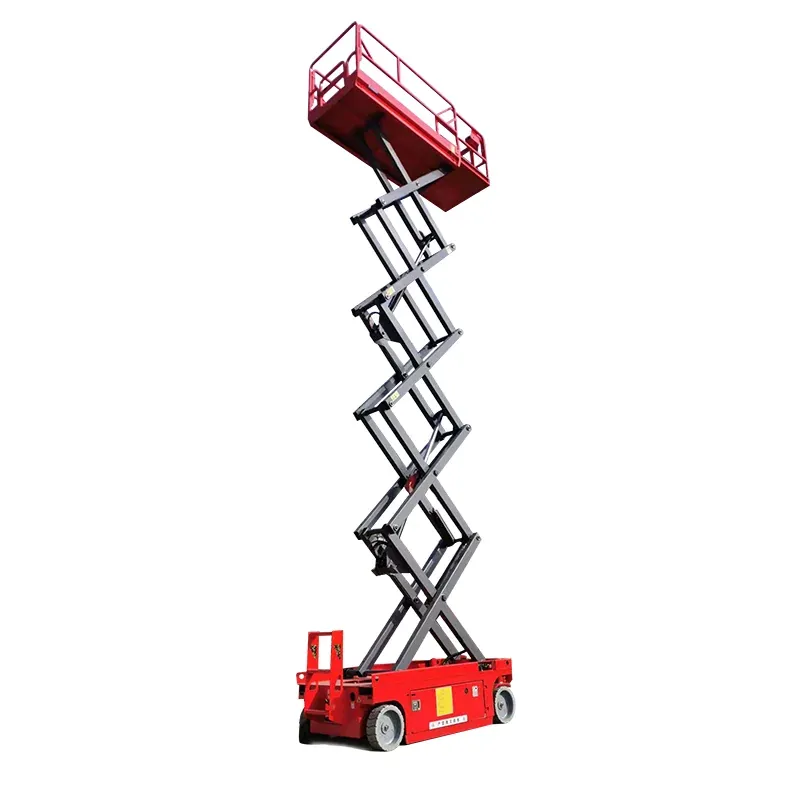 GTJZ-1214 40ft (11.8 m) Self-Propelled Scissor Lift — 320 kg
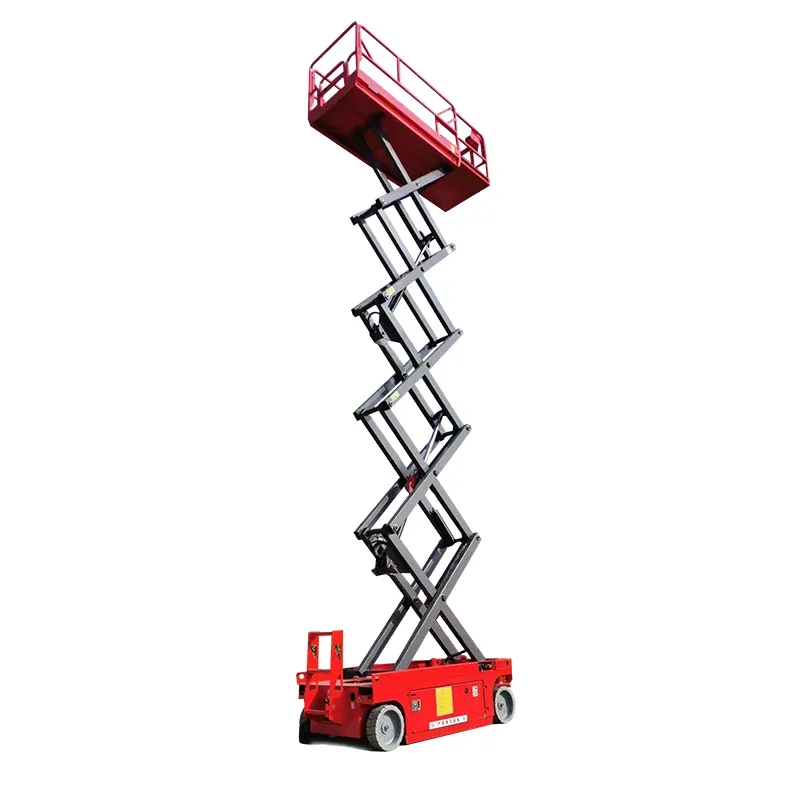 GTJZ-1012 32ft (9.8 m) Self-Propelled Scissor Lift — 320 kg