
en

A scissor lift for cold storage at -28°C will physically operate, and a standard unit will destroy itself within two winters if nothing is changed. Four things have to change before the machine goes in: the hydraulic oil, the steel grade at the critical welds, the seal material, and the charging policy. Of those four, the charging policy is the one that decides whether the machine lasts, and it is the one that costs nothing to get right. The sites where this matters run two zones off one dock — an -18°C chilled hall and a -28°C deep-freeze hall — and the same machine crosses both, which is why the door is discussed as much as the freezer.
Low temperature hydraulic oil is graded by its viscosity at 40°C. A VG46 oil is 46 cSt at 40°C. At -25°C the same oil is somewhere between three thousand and five thousand centistokes depending on its viscosity index, which is roughly a hundredfold increase. The pump still turns at the same speed, so it is now trying to move a fluid closer to grease through the same lines.
What the operator experiences is a machine that lifts very slowly, then lifts normally once the oil has warmed, then lifts slowly again after standing. That pattern gets reported as a hydraulic fault, and the machine gets a pump replacement it did not need.
| Oil | Viscosity at 40°C | Behaviour at -28°C | Verdict |
|---|---|---|---|
| VG46, standard VI | 46 cSt | Extremely stiff; slow lift, high pump load | Not suitable |
| VG32, high VI | 32 cSt | Workable after a short warm-up | Minimum for occasional use |
| Low-temperature hydraulic oil, pour point below -40°C | 32 cSt or lower | Operates from cold start | Correct for regular freezer work |
| Food-grade H1 low-temperature oil | 32 cSt, H1 registered | Operates from cold start | Required where food is exposed |
If the machine works where unpackaged food is present, the oil also has to be H1 registered, because mineral oil is classified as a physical contaminant under HACCP. That is not a preference. It is the difference between a machine that can be in the room and one that cannot.
Carbon steel loses impact toughness as temperature falls. A structural grade that is perfectly adequate at -10°C can behave in a brittle manner at -28°C under impact, and the mast of a scissor lift is exactly the kind of welded structure where that matters. Cold-store machines should be built from a grade with guaranteed impact energy at the service temperature, which in practice means a D or E grade rather than the standard B grade.
This is the change that is hardest to verify after delivery, because it is invisible. Ask for the material certificates with the machine and check the grade designation. If a supplier cannot produce them for a cold-store order, that is the answer.
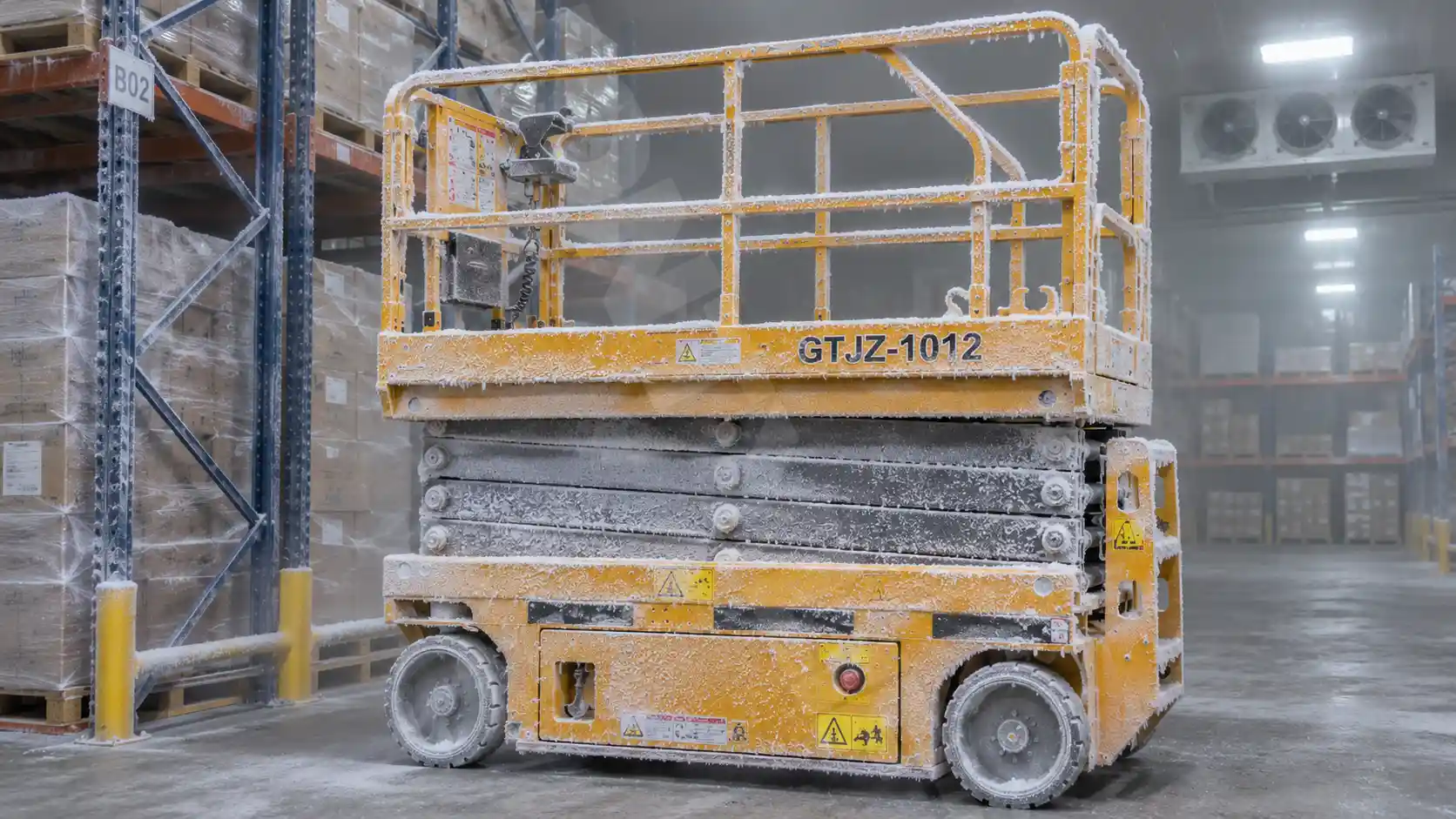
Frost on the mast is normal. Frost inside the control box is not, and it comes from the door, not from the cold.
Standard nitrile seals remain flexible to about -40°C, so they are not the weak point at -28°C. The weak points are the parts nobody specifies: the plastic cable trunking that goes brittle and cracks, the rubber grommets that harden and stop sealing, and the grease in the mast pins that turns to wax and stops lubricating. A cold store scissor lift specification is less about exotic materials and more about not using the cheapest option for the twenty small components.
On a scissor lift in a freezer, a lead-acid pack at -18°C delivers about half its rated capacity. At -28°C it delivers less, and it must not be charged at all below 0°C, because charging a frozen or near-frozen pack causes permanent plate damage. This single rule reshapes the whole operation:
If the machine lives inside the freezer and never leaves, a lead-acid pack is the wrong choice and a lithium pack with a heated enclosure is the right one. If the machine leaves the freezer every shift, lead-acid can work with a warm charging bay, and the cost difference is significant.
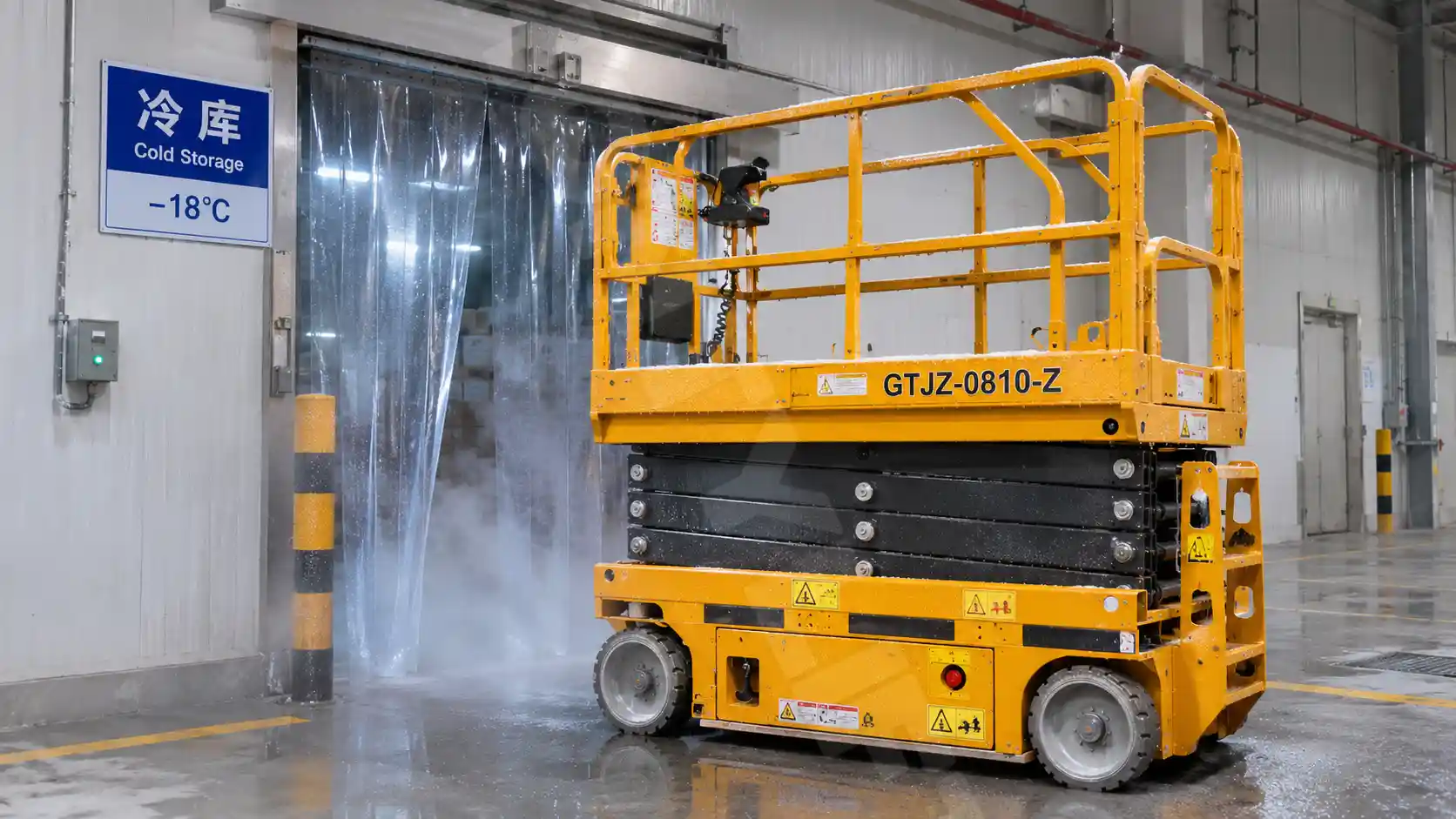
The transition zone does more damage in twenty minutes than the freezer does in a month.
Bring cold chain access equipment at -25°C into a room at 18°C and 60% relative humidity and water condenses on every cold surface immediately. It runs into the control box through the breather, into the mast pin clearances, and onto the platform floor. Twenty minutes in the transition zone is enough to leave standing water on the deck.
Two rules follow. First, the machine should not stand in the transition zone; it goes through, not stops. Second, a machine coming out of the freezer should be left with the controls isolated until it has warmed and dried, which in practice means the next shift rather than the same hour.
For cold-store orders we ship with the breather valves bagged separately, because a scissor lift for cold storage is assembled in a warm factory and carries warm, moist air inside its control boxes, and that air condenses on the first cold night. Fitting the valves on site, after the machine has settled, removes a whole category of early controller failures.
Tell us the store temperature, whether the machine sleeps inside, and where it will charge, through the contact form. The GTJZ-1012 is the usual starting point for freezer racking work; taller stores go to the GTJZ-1214. Full specifications are on the range page.
Tell us the constraint you are stuck on — floor loading, doorway width, cold store, aisle width, charge window. We will tell you which model works, what it costs, and what we would refuse to sell you.
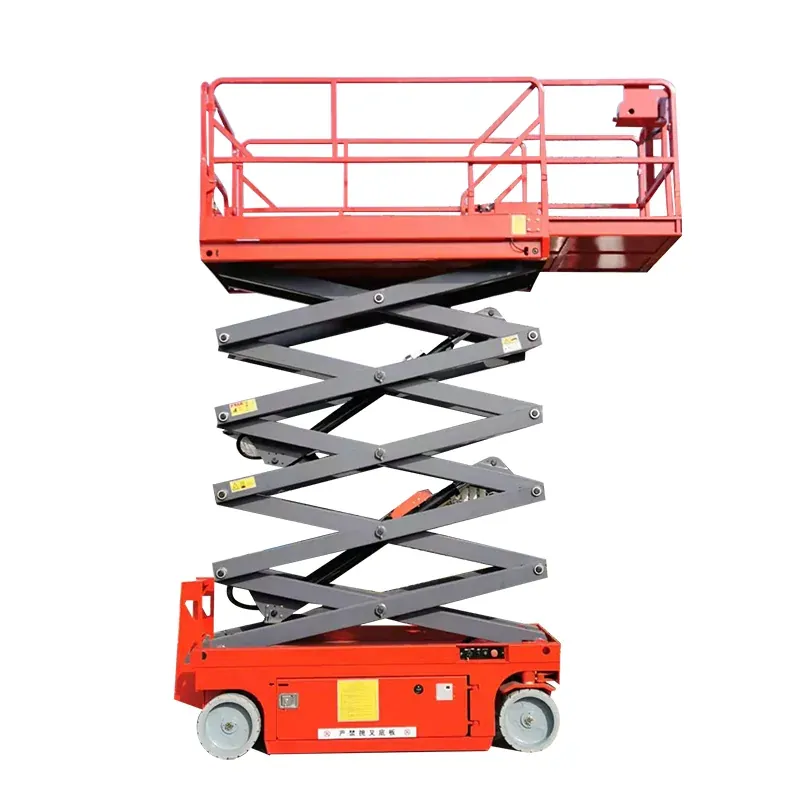 GTJZ-0810 26ft (7.8 m) Self-Propelled Scissor Lift — 450 kg
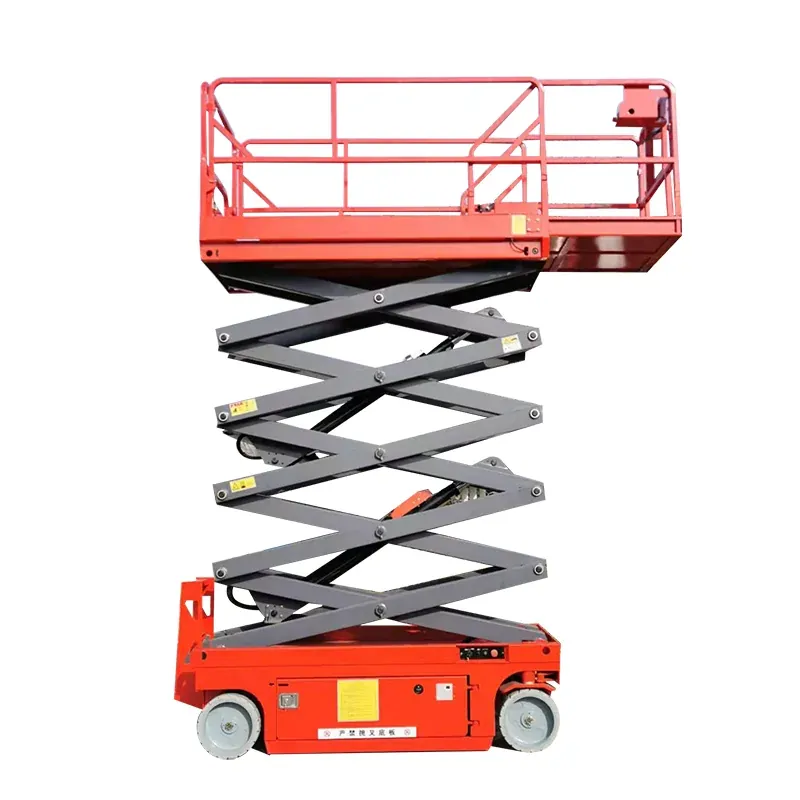 GTJZ-0810-Z Narrow 840 mm Scissor Lift — 26ft (7.8 m), 320 kg
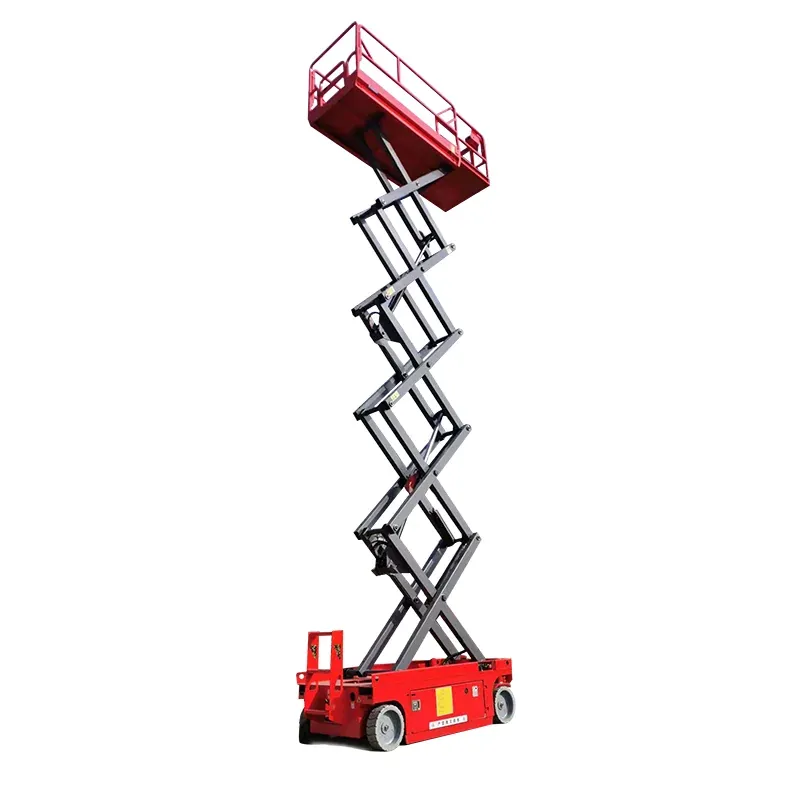 GTJZ-1214 40ft (11.8 m) Self-Propelled Scissor Lift — 320 kg
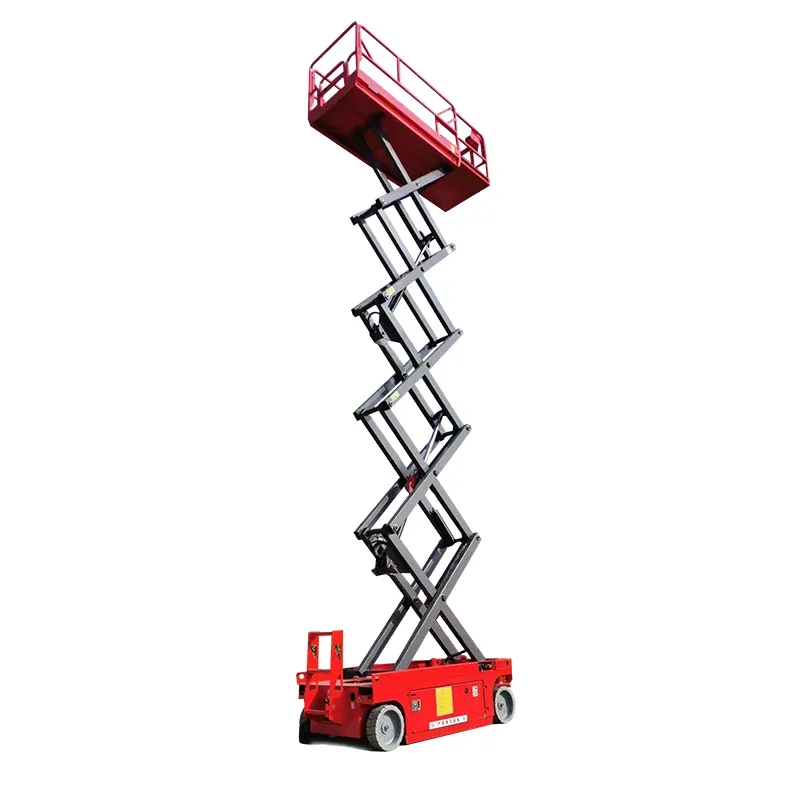 GTJZ-1012 32ft (9.8 m) Self-Propelled Scissor Lift — 320 kg